Asia’s manufacturing ecosystem is vast and fragmented. For every world-class factory with ISO certifications and modern quality systems, there are dozens of smaller workshops operating with minimal oversight, outdated equipment, or questionable compliance standards.
This diversity creates risk for importers: how do you know if a supplier can actually deliver what they promise? A factory audit is the answer.
Factory audit services in Asia allow you to independently verify a manufacturer’s capabilities, quality systems, compliance standards, and production capacity before you place an order — or periodically during an existing relationship to ensure standards are maintained.
This guide explains what factory audits are, why they matter in Asian sourcing, and how to implement an effective audit program.
What Is a Factory Audit?
A factory audit is a structured, on-site evaluation of a manufacturing facility conducted by trained auditors. Unlike product inspections that focus on finished goods, a factory audit examines:
- Production infrastructure and equipment
- Quality management systems and procedures
- Workforce skills and training programs
- Compliance with labour, safety, and environmental standards
- Supply chain management and raw material controls
- Production capacity and lead time reliability
The audit results in a detailed report with findings, risk ratings, and recommendations. This report helps you decide whether to onboard a new supplier, continue with an existing partner, or require corrective actions before proceeding.
Types of Factory Audits Used in Asian Sourcing
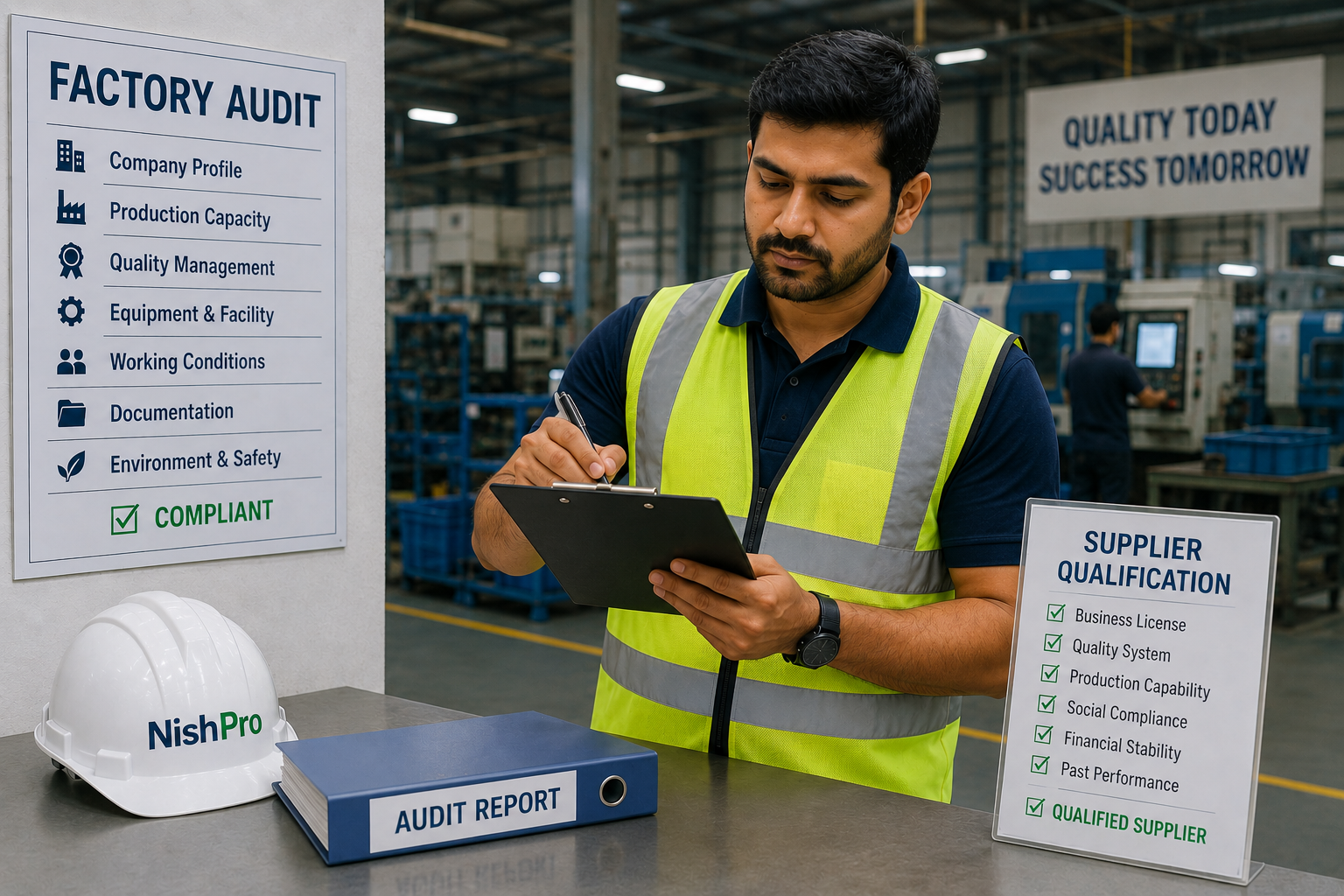
- Supplier Qualification Audit
Conducted before placing your first order with a new factory. The audit verifies that the supplier has the technical capability, quality systems, and capacity to meet your requirements. This is the most critical audit type — it prevents costly mistakes before they happen.
- Quality System Audit
Focuses specifically on a factory’s quality management systems. Auditors review documentation, inspect testing equipment, verify calibration records, and assess whether the factory follows defined quality procedures. A factory quality audit ensures suppliers have the systems to deliver consistent quality.
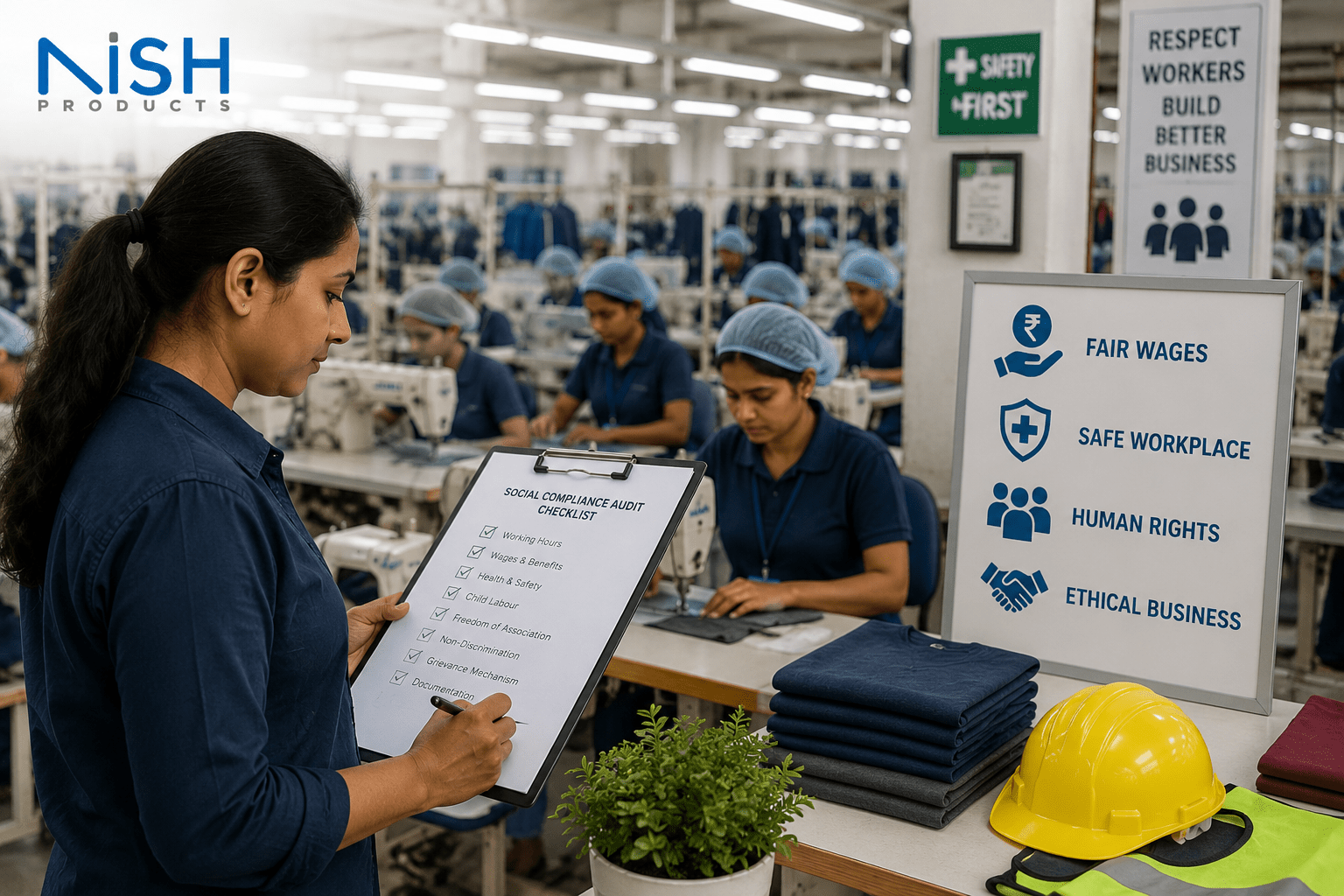
- Social Compliance Audit (CSR Audit)
Evaluates labour practices, worker safety, environmental compliance, and ethical business conduct. CSR audits are essential for brands with ethical sourcing commitments or customers in markets with strict supply chain transparency requirements (EU, US, UK).
- Capacity Audit
Assesses whether a factory can handle your order volume within required timelines. Auditors evaluate production lines, workforce size, machine availability, and current order load to determine realistic capacity.
- Re-Audit / Follow-Up Audit
Conducted after an initial audit identifies non-conformances or improvement areas. Re-audits verify that corrective actions have been implemented and are effective.
Why Factory Audits Are Essential for Asian Manufacturing
Claim Verification — Marketing vs Reality
Supplier websites, brochures, and sales materials often exaggerate capabilities. A factory that claims “500 workers” may actually employ 100, with the rest being contract labour who rotate in and out. A factory audit separates marketing claims from operational reality.
Risk Mitigation Before Financial Commitment
Placing an order based on photos, samples, and emails is risky. What if the factory lacks the equipment to produce at scale? What if their quality system is non-existent? A supplier qualification audit conducted by experienced auditors identifies these risks before you commit deposits or sign contracts.
Quality System Gaps That Product Inspections Can’t Catch
A pre-shipment inspection checks finished products, but it doesn’t reveal why defects occurred or whether future batches will improve. A quality audit examines root causes: inadequate training, broken equipment, missing calibration, poor material controls. Fixing these systemic issues prevents recurring defects.
Compliance and Ethical Sourcing Requirements
If you sell to major retailers (Walmart, Target, Carrefour) or serve European/US markets, your supply chain must meet labour, safety, and environmental standards. Factory audits verify compliance before your buyers or regulators demand it.
Supplier Performance Monitoring Over Time
Even good suppliers can deteriorate. Management changes, cost pressures, or rapid growth can degrade quality systems. Periodic re-audits (annually or bi-annually) ensure your suppliers maintain the standards you qualified them on.
Key Areas Evaluated in a Factory Audit
- Production Facility and Equipment
- Factory layout and workflow efficiency
- Condition and maintenance of machinery
- Equipment calibration and testing tools
- Production line capacity and bottlenecks
- Quality Management System
- Quality manual and documented procedures
- Incoming material inspection and controls
- In-process inspection protocols
- Final inspection and testing procedures
- Non-conformance tracking and corrective action processes
- Calibration programs for measuring equipment
- Workforce and Management
- Number of workers and skill levels
- Training programs and records
- Supervision ratios and shift structures
- Worker turnover rates
- Supply Chain and Material Management
- Raw material sourcing and supplier qualification
- Inventory management systems
- Material traceability and lot control
- Approved supplier lists
- Compliance and Social Responsibility
- Labour law compliance (working hours, wages, contracts)
- Workplace safety (fire exits, PPE, machine guards)
- Environmental management (waste disposal, emissions)
- Child labour and forced labour controls
- Documentation and Certifications
- Business licenses and legal registrations
- ISO certifications (ISO 9001, ISO 14001, etc.)
- Product certifications and test reports
- Customer audit history and corrective actions
The Factory Audit Process
Step 1: Define Audit Scope and Criteria
Determine what you need to verify. A qualification audit for a new electronics supplier will focus on technical capabilities and quality systems. A CSR audit for a garment factory will emphasise labour conditions and safety.
Step 2: Schedule the Audit
Professional audit services like Nish Products can arrange factory visits on short notice. Most audits are unannounced or semi-announced (factory knows an audit is coming but not the exact date) to ensure you see normal operating conditions.
Step 3: On-Site Audit Execution
Trained auditors spend 4-8 hours at the factory (or longer for complex facilities). They tour production areas, interview management and workers, review documents, inspect equipment, and take photographs.
Step 4: Audit Report and Risk Rating
Within 24-48 hours, you receive a detailed report with:
- Findings organised by category (critical, major, minor)
- Photographic evidence
- Risk rating (e.g., High Risk, Medium Risk, Low Risk, Approved)
- Recommendations and corrective action requirements
Step 5: Decision and Follow-Up
Based on the report, you decide whether to:
- Approve the supplier and proceed with orders
- Request corrective actions and re-audit before approval
- Reject the supplier and seek alternatives
For existing suppliers, you may require a corrective action plan (CAP) with timelines and verification.
How Nish Products Delivers Factory Audit Services in Asia
Nish Products specialises in factory audit services across India and Asia, with deep expertise in industrial manufacturing, engineered products, and technical components.
Our audit services include:
- Supplier qualification audits for new factory onboarding
- Quality system audits to assess and improve QC capabilities
- Capacity verification for large or time-sensitive orders
- Social compliance and CSR audits for ethical sourcing programs
- Integration with industrial product sourcing services for end-to-end supplier management
Our auditors are trained engineers and quality professionals who understand both manufacturing processes and international standards. We deliver clear, actionable reports that help you make confident sourcing decisions.
Common Factory Audit Findings in Asian Manufacturing
- Undocumented Quality Systems
Many small and mid-sized factories operate without formal quality manuals, inspection checklists, or defect tracking. Quality depends entirely on the shop floor supervisor’s experience — a major risk.
- Calibration Gaps
Measuring instruments (calipers, micrometers, gauges) are often uncalibrated or poorly maintained. This leads to measurement errors and inconsistent quality.
- Inadequate Testing Equipment
Factories may lack the tools to perform required tests. A supplier claiming to test electrical safety may not own a high-voltage tester.
- Capacity Overstatement
Factories exaggerate production capacity to win orders, then struggle to deliver on time. Auditors verify actual capacity by counting machines, shifts, and current order load.
- Subcontracting Without Disclosure
Some suppliers outsource part or all of production to third-party workshops without informing buyers. This creates quality and compliance risks you never agreed to.
- Compliance Violations
Excessive overtime, missing safety equipment, improper waste disposal, and underage workers are common findings in low-tier factories, especially in garment and light manufacturing sectors.
When to Conduct Factory Audits
Before Placing Your First Order with a New Supplier
Never commit to a significant order without verifying the supplier’s capabilities. A qualification audit is non-negotiable for new relationships.
After Major Changes at the Supplier
If your supplier relocates, changes ownership, expands production, or switches management, re-audit to ensure systems are still in place.
When Quality Issues Become Recurring
If product inspections repeatedly reveal the same defects, a quality system audit will identify root causes and systemic gaps.
Before Scaling Up Orders
If you plan to increase order volumes significantly, conduct a capacity audit to verify the factory can handle the load.
Annually or Bi-Annually for Strategic Suppliers
For key suppliers who account for significant volume or critical products, periodic audits ensure ongoing compliance and quality system maintenance.
Conclusion:
Factory audit services in Asia are a critical tool for supplier qualification, risk management, and quality assurance. Whether you’re onboarding a new manufacturer, troubleshooting recurring defects, or ensuring compliance with ethical sourcing standards, a professional audit provides the objective evidence you need to make informed decisions.
Nish Products offers comprehensive factory audit services across Asia, with particular strength in India’s industrial manufacturing sector. Our audits help you qualify suppliers, improve quality systems, and build resilient supply chains.
Contact our team today to schedule a factory audit and start sourcing with confidence.