Global supply chains depend on consistent product quality. Yet for companies sourcing from Asia, maintaining quality standards across distant factories, multiple suppliers, and complex production processes remains one of the most challenging aspects of international procurement.
Quality inspection services solve this challenge by providing independent, professional verification of product quality, supplier capabilities, and manufacturing compliance — without requiring your own staff in every sourcing region.
This guide explains what quality inspection services are, the different types available, how they integrate into your supply chain, and how to build an effective inspection program.
What Are Quality Inspection Services?
Quality inspection services are professional quality control solutions provided by independent third party agencies. These services verify that products, processes, and suppliers meet your specifications and standards.
Unlike self-inspection by manufacturers (which suffers from bias) or relying on supplier claims (which may be optimistic or inaccurate), quality inspection services deliver objective, evidence-based verification conducted by trained inspectors who work for you, not your supplier.
Quality inspection services typically include:
- Product inspections at various production stages
- Factory audits to verify supplier capabilities and systems
- Compliance verification for regulatory and ethical standards
- Technical testing for performance and safety
- Supply chain monitoring for consistency over time
The Core Types of Quality Inspection Services
- Pre-Shipment Inspection (PSI)
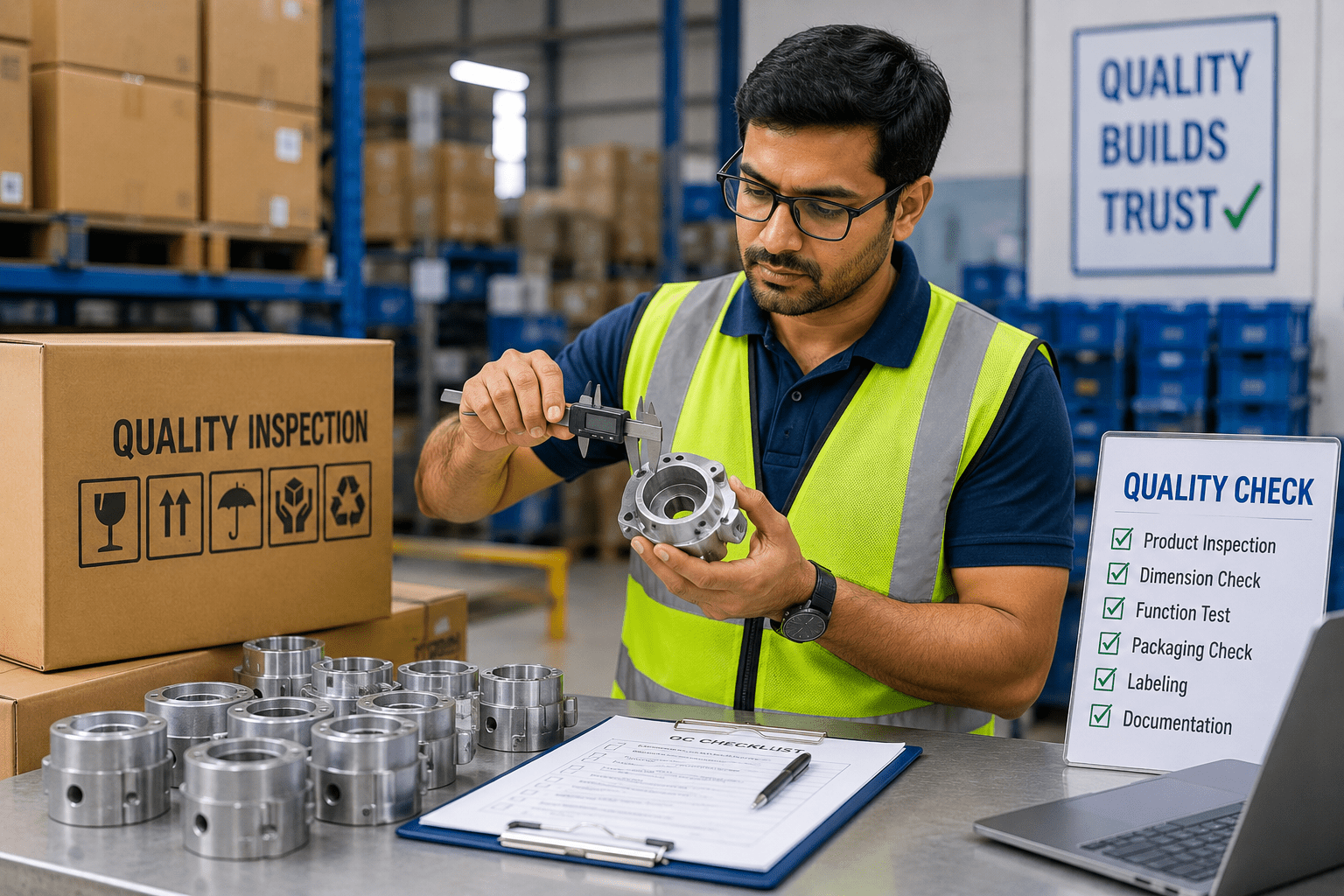
The most widely used inspection type. Conducted when 80-100% of production is complete and goods are packed and ready to ship.
The inspector:
- Samples products using AQL (Acceptable Quality Level) methodology
- Checks appearance, dimensions, function, and workmanship
- Verifies packaging, labelling, and quantity
- Issues a Pass/Fail report within 24-48 hours
PSI is your last chance to catch defects before goods leave the factory. Pre-shipment inspection services protect your payment and ensure you only ship quality products.
- During Production Inspection (DUPRO / IPC)
Conducted when 20-50% of production is complete. The inspector assesses:
- Initial production quality and consistency
- In-process defect rates
- Worker adherence to production specifications
- Production pace and capacity utilisation
DUPRO catches quality issues early, while corrective action is still practical and affordable. This is especially valuable for large orders, complex products, or new suppliers.
- Pre-Production Inspection (PPI)
Performed before manufacturing begins. The inspector verifies:
- Raw materials match specifications
- Approved samples are available for reference
- Production equipment is appropriate and calibrated
- Factory staff understand product requirements
PPI prevents quality problems before they start by ensuring setup is correct.
- Container Loading Supervision (CLS)
An inspector supervises the loading of finished goods into shipping containers, ensuring:
- Only inspected goods are loaded (no substitution)
- Container is clean, dry, and damage-free
- Loading is done properly to prevent transit damage
- Container seal numbers are recorded
CLS is essential for high-value shipments or when dealing with suppliers whose integrity is uncertain.
- Factory Audit Services
A comprehensive evaluation of a supplier’s facility, production capacity, quality systems, and compliance standards.
Factory audit services help you:
- Qualify new suppliers before placing orders
- Monitor existing suppliers for deterioration
- Identify root causes of recurring quality issues
- Verify compliance with labour, safety, and environmental standards
Audits examine the entire manufacturing operation, not just finished products.
- Quality System Audits
Focused specifically on a factory’s quality management processes. Auditors review:
- Quality manuals and documented procedures
- Inspection and testing protocols
- Calibration and measurement systems
- Non-conformance tracking and corrective action processes
Quality system audits improve supplier capabilities over time by identifying gaps and driving systemic improvements.
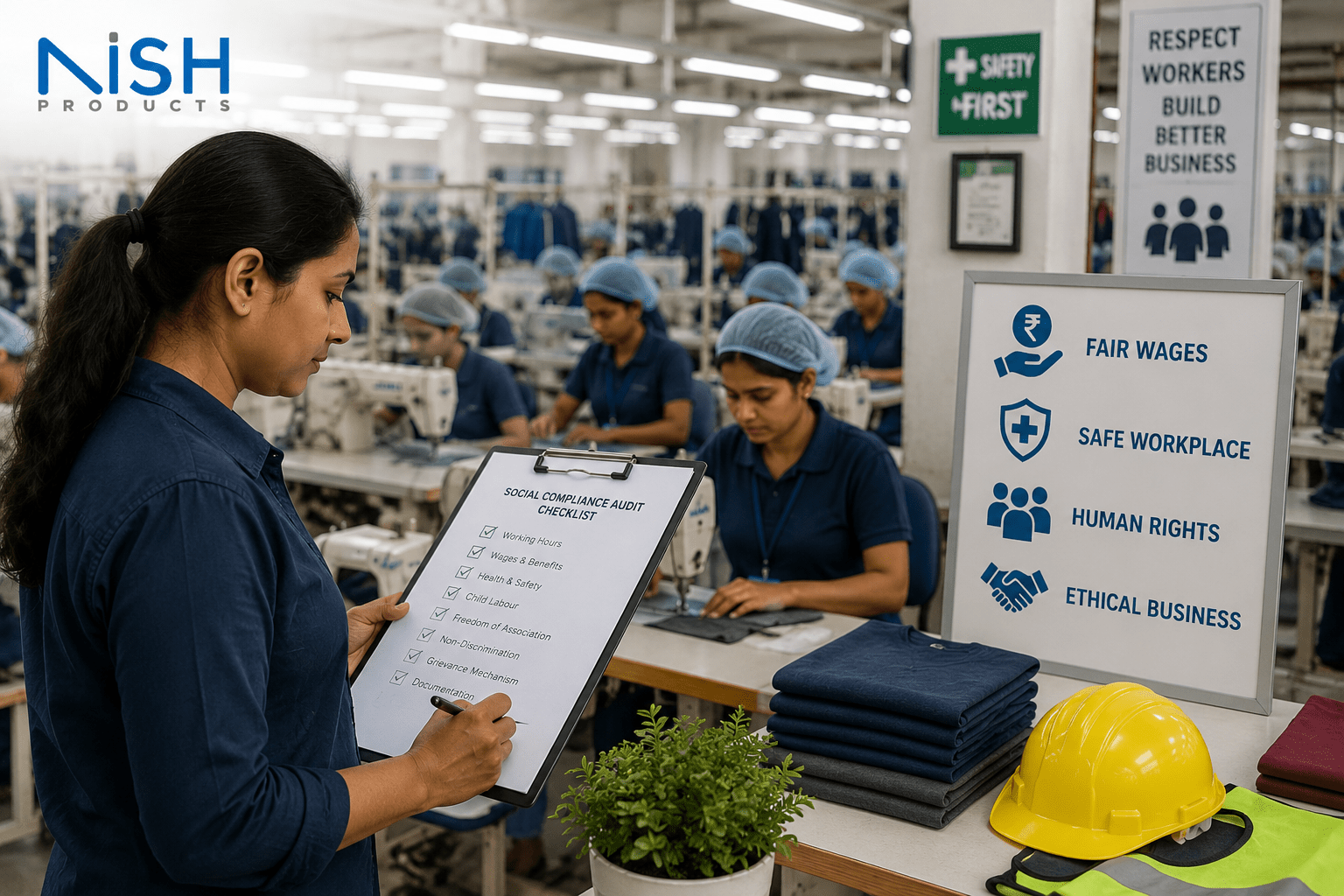
- Social Compliance and CSR Audits
Verify that suppliers meet ethical and regulatory standards:
- Labour law compliance (wages, hours, contracts)
- Worker safety (PPE, fire safety, machine guards)
- Environmental management (waste, emissions)
- Child labour and forced labour controls
CSR audit services are essential for brands with ethical sourcing commitments or selling in markets with supply chain transparency requirements.
- Technical and Lab Testing
For products requiring performance verification, safety testing, or material analysis:
- Electrical safety testing (high voltage, insulation, grounding)
- Mechanical load and stress testing
- Chemical composition analysis
- Textile performance (colorfastness, shrinkage, abrasion)
- Packaging drop tests and vibration testing
Testing services ensure products meet technical specifications and regulatory requirements.
Why Professional Quality Inspection Services Matter
Objectivity — Third Party Agencies Have No Bias
Your supplier wants to pass inspection and get paid. An independent inspection agency has no financial interest in the outcome — they report facts. This objectivity is the foundation of reliable quality assurance.
Expertise — Trained Inspectors Apply Standards Consistently
Professional inspectors are trained in AQL sampling, defect classification, measurement techniques, and industry-specific standards. They deliver consistent, repeatable inspections regardless of supplier, location, or product.
Local Presence — Inspectors Are Already on the Ground
Most importers cannot afford to station their own QC staff in every sourcing country. Quality inspection services provide local presence without the overhead. Inspections can be booked on demand, often with next-day availability.
Risk Reduction — Defects Caught Early Are Cheaper to Fix
Finding defects before shipment costs far less than discovering them after goods clear customs. Returns, rework, disposal, and customer complaints compound exponentially. Inspection is insurance that pays for itself many times over.
Supplier Accountability — Knowing They’ll Be Inspected Improves Behaviour
When suppliers know independent inspectors will verify quality, their internal controls tighten. Factories that might cut corners under self-inspection take more care when third party verification is involved.
Building an Effective Quality Inspection Program
Step 1: Define Your Quality Standards
Quality inspection services can only verify what you define. Develop a detailed product specification sheet including:
- Approved drawings with dimensions and tolerances
- Material and component specifications
- Colour standards (Pantone codes or approved samples)
- Functional performance requirements
- Labelling, packaging, and regulatory compliance requirements
- AQL levels for critical, major, and minor defects
The clearer your specifications, the more effective your inspections.
Step 2: Choose the Right Inspection Types
Not every order needs every inspection type. Match inspection services to risk level:
Low Risk (proven supplier, simple product, low value):
Medium Risk (new supplier, moderate complexity, medium value):
High Risk (unproven supplier, complex product, high value, regulatory compliance):
- Factory audit + PPI + DUPRO + PSI + CLS
Ongoing Relationship:
- PSI for every order + periodic factory audits (annually or bi-annually)
Step 3: Select a Reliable Inspection Partner
Choose a quality inspection service provider based on:
- Local coverage in your sourcing regions
- Inspector qualifications and industry expertise
- Report quality (clear, photo-documented, actionable)
- Turnaround time (fast scheduling and reporting)
- Communication (responsive, English-speaking support)
- Pricing transparency (clear fee structures, no hidden costs)
Nish Products provides professional quality inspection services across Asia, with particular strength in India and South Asian manufacturing hubs.
Step 4: Communicate Standards to Suppliers
Inform your suppliers that third party inspections are mandatory. Provide them with:
- Your product specifications
- AQL levels and sampling plans
- Inspection timing (e.g., PSI at 80-100% completion)
- Contact information for the inspection agency
Setting expectations upfront prevents surprises and resistance.
Step 5: Act on Inspection Findings
An inspection report is only valuable if you use it to make decisions:
- Pass: Release payment and authorise shipment
- Conditional Pass: Ship but require improvements for next order
- Fail: Hold payment, require rework, re-inspect
- Recurring issues: Escalate with supplier or switch to alternative source
Track inspection results over time to identify trends, problematic suppliers, and improvement opportunities.
Common Quality Issues Found by Inspection Services
Product Defects:
- Colour variation from approved standards
- Scratches, stains, or surface blemishes
- Misaligned prints or labels
- Loose stitching or weak joints
- Dimensional deviations outside tolerance
- Functional failures (products don’t work as intended)
Packaging Problems:
- Weak cartons that may collapse during shipping
- Missing or incorrect labelling
- Inadequate protective packaging
- Incorrect product quantities or SKU assortments
Compliance Failures:
- Missing regulatory marks (CE, FCC, safety warnings)
- Incorrect country of origin
- Labelling in wrong language or missing required information
- Products that don’t meet safety or performance standards
Supplier Issues (Factory Audits):
- Undocumented quality systems
- Uncalibrated testing equipment
- Overstated production capacity
- Undisclosed subcontracting
- Labour or environmental compliance violations
Industry-Specific Quality Inspection Services
Consumer Electronics:
- Functional testing (power-on, connectivity, display)
- Electrical safety verification
- Firmware and software checks
- Packaging integrity for fragile components
Textiles and Apparel:
- Fabric quality (weight, texture, colorfastness)
- Stitching and seam strength
- Size and fit accuracy
- Labelling (care instructions, fiber content)
Industrial Machinery and Equipment:
- Dimensional accuracy and tolerances
- Surface treatment and coating quality
- Assembly and alignment verification
- Functional testing under load
Food Contact and Consumer Products:
- Material safety and compliance (BPA-free, food-grade)
- Certification verification (FDA, LFGB, EU regulations)
- Functional performance (leak tests, durability)
Nish Products offers specialised inspection services across these industries, with inspectors trained in category-specific standards and testing protocols.
Integrating Quality Inspection with Sourcing Services
For companies sourcing industrial products or complex technical components, quality inspection services are most effective when integrated with broader industrial product sourcing capabilities.
Nish Products combines sourcing and quality control to provide end-to-end supplier management:
- Identify and qualify capable manufacturers
- Negotiate pricing and terms
- Monitor production quality through inspections
- Manage logistics and shipping coordination
- Continuous improvement through supplier audits
This integrated approach ensures quality is built into every stage of procurement, not just verified at the end.
The Future of Quality Inspection Services
Quality inspection is evolving with technology and changing supply chain demands:
Digital Inspection Platforms:
- Mobile apps and cloud-based reporting for real-time visibility
- Integration with supply chain management systems
- Data analytics to identify trends and predict quality issues
Remote Inspection and AI:
- Video-based remote inspections supplementing on-site visits
- AI-powered defect detection for consistency and speed
- IoT sensors for continuous monitoring of production quality
Expanded Scope:
- Sustainability and ESG verification
- Supply chain traceability and transparency
- Blockchain integration for immutable quality records
As these technologies mature, professional inspection agencies like Nish Products are adopting them to deliver faster, more accurate, and more comprehensive quality assurance.
Conclusion
Quality inspection services are essential infrastructure for any company sourcing from Asia. Whether you need pre-shipment inspections to verify finished goods, factory audits to qualify suppliers, or compliance verification to meet regulatory standards, professional inspection services reduce risk, improve quality, and build supplier accountability.
Nish Products provides comprehensive quality inspection services across Asia, with deep expertise in India and South Asian manufacturing. Our services include pre-shipment inspections, during-production checks, factory audits, social compliance verification, and technical testing — all delivered by trained inspectors with industry-specific knowledge.
We help importers, retailers, and manufacturers build robust quality programs that protect their brand, reduce defects, and ensure consistent product quality across global supply chains.
Contact our team today to discuss your quality inspection needs and build a customised QC program for your business.